What I’ve learned healing on my own
This article continues the reflection I started in “Choosing the Cure Over the Anesthesia.” If you haven’t read it, I invite you to start there — that’s where I talk about why healing can sometimes hurt more before it hurts less. Here I continue that same conversation, with what I learned afterward.
Removing the anesthesia is only the first step. What comes next — once we actually start feeling again — is where the real healing begins.
Here is what I’ve learned about that part of the path.
The Protective Mechanisms

I’ve lived through many moments where touching a wound — a betrayal, a loss, a person I loved deeply and eventually had to let go of — hurt tremendously.
But that pain was necessary.
Behind it, I found something much deeper: my self-love.
Today, I understand those difficult emotions differently. I see many of them as protective mechanisms we build, layer upon layer, around something that at its core is pure: our essence, our capacity to love.
We weren’t born afraid of being abandoned.
We weren’t born believing that we were not enough.
Many of those fears were built very early in life, often as a way of surviving experiences that, at the time, we didn’t know how to process in any other way.
The problem is that the same protection that once helped us survive can eventually begin preventing us from living.
And that is where the real work begins.
Not in tearing down every defense overnight, but in becoming curious about it.
Why did I build this?
What was it protecting me from?
Does it still protect me today, or is it now keeping me trapped?
Healing, for me, has been learning to understand those layers with compassion and deciding, little by little, which ones I no longer need.
Transformation Crisis or a Need for a Different Kind of Help
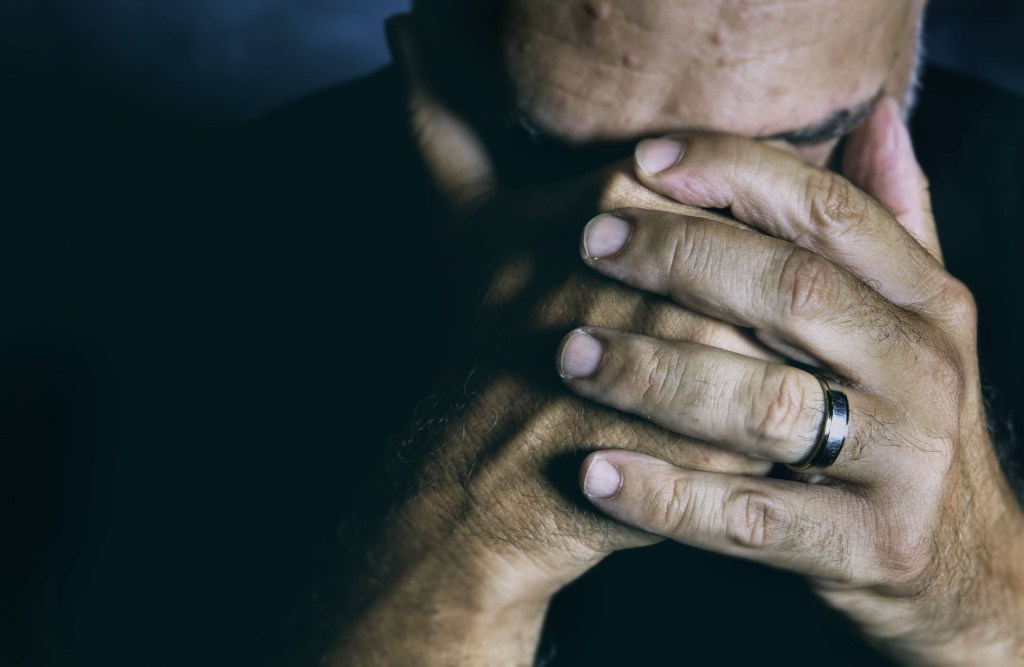
In my work, one of the questions I ask myself most often is how to distinguish between someone going through a difficult but necessary period of transformation and someone who genuinely needs to stop, rest, or receive a different kind of professional support.
There can be moments during healing when a person becomes emotionally overwhelmed, disoriented, frightened, or unable to function in the way they normally would. This can happen when something very painful surfaces — an assault, childhood trauma, abandonment, grief, or an experience that had been buried for a long time.
At the same time, our minds can sometimes intensify what we are going through.
Fear can create interpretations.
Rumination can make something feel larger and larger.
Old patterns can make us anticipate problems before they have even happened.
Every person is different. Some people can move through an intense transformational period with support and integration. Others may begin showing signs that they need therapy, medical attention, psychological support, rest, or a different kind of care.
I believe wisdom also means recognizing that distinction.
Healing does not mean forcing ourselves through everything.
Sometimes courage means continuing.
Sometimes courage means stopping.
Sometimes healing means going deeper, and sometimes healing means asking someone qualified to help us carry what has become too heavy to carry alone.
Wanting to heal and transform is ultimately a deeply personal decision.
And part of that decision is accepting that there are things I cannot change.
There are things that already happened.
There are people I cannot change.
There are apologies that may never come.
At some point, I have to decide to heal for myself.
How I Know Something Still Has Power Over Me
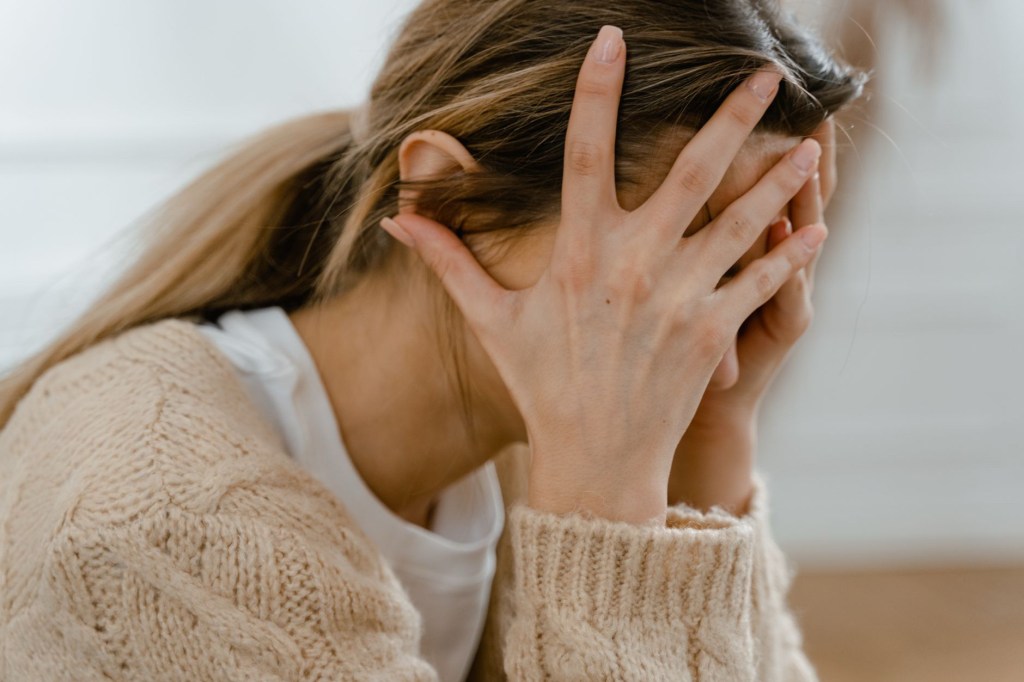
One of the questions I’m asked most often is how I know whether something has actually healed or whether there is still something there that needs attention.
For me, my body gives me clues.
If I tell a story from my life and suddenly feel the same intensity I felt when it happened — if my hands shake, my chest tightens, I lose myself in the emotion, or I feel as though I am right back inside that moment — I take that as a sign that the experience may still have power over me.
That doesn’t mean crying is wrong.
It doesn’t mean feeling emotion means we have failed to heal.
Sometimes tears are simply tears.
Sometimes the body remembers.
And sometimes we can speak calmly about something because we have healed, while at other times emotional distance itself can be a form of protection.
For me, the important question is not simply whether I feel emotion.
The question is:
Does this memory still control me?
Can I remember it and remain present?
Can I recognize what happened without becoming that version of myself again?
Can I look at the person I once was with compassion rather than judgment?
When I can tell my story and remain anchored in the life I have today, I know something has changed.
The story is still mine.
But it no longer owns me.
That, for me, is one of the biggest differences between suffering and feeling the pain necessary for healing.
Pain is part of life.
Suffering often begins when we become trapped inside the story of that pain.
Healing is slowly learning how to carry the lesson without continuing to carry the wound in the same way.
Learning to Help Without Losing Myself

There is a test life keeps placing in front of me.
And I suspect it happens to many people who, like me, have learned to put other people’s happiness before their own.
When we finally understand something about ourselves, life often doesn’t take very long before presenting us with the same lesson again.
Almost as if asking:
Did you really learn it?
In my life, that lesson often arrives disguised as someone who needs help.
And so I have had to learn to ask myself difficult questions.
Am I really in a position to help?
Does this help genuinely serve the other person?
Or does helping make me feel needed?
Is what I’m giving healthy for me too?
Or am I abandoning myself again in order to hold someone else together?
This has been one of my biggest lessons.
Helping another person should not require me to disappear.
It is not about becoming selfish.
It is not about turning away from the people we love.
It is about understanding that love without boundaries can sometimes become self-abandonment.
I say this because it is still a work in progress for me.
What throws me off balance most these days is travel, losing my routine, and caring for other people so much that I begin forgetting myself.
I have already discovered what balance looks like in my own world.
I know what I need.
I know what makes me feel good.
I know which habits bring me back to myself.
But I still struggle sometimes with boundaries.
I still struggle with giving myself enough time in the middle of everything else.
Finding the balance between caring for others and caring for myself is something I am still learning.
I don’t write this from a place of having mastered it.
I write it from inside the practice.
Forgiving Is Not the Same as Reconciling
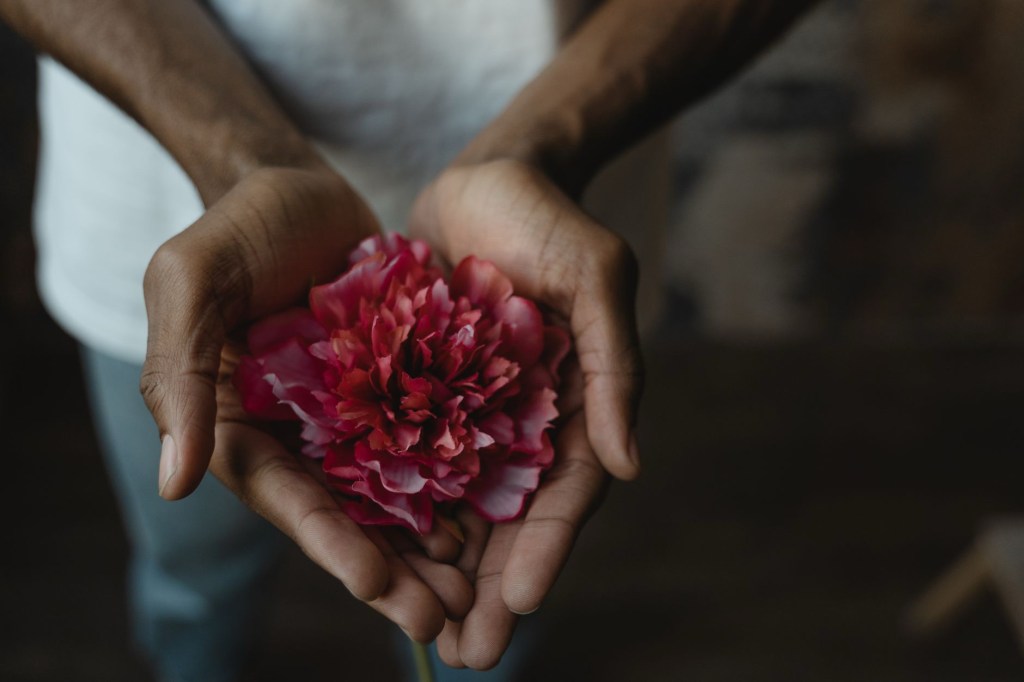
Forgiveness and reconciliation are not the same thing.
For me, reconciliation begins with myself.
It begins when I stop fighting against what happened.
When I stop wishing I could go backward and rewrite the story.
When I stop waiting for someone else to give me the peace I need.
That inner reconciliation is what eventually makes forgiveness possible.
Forgiving someone does not mean approving what they did.
It does not mean returning to the relationship.
It does not mean forgetting.
It does not mean pretending there was no damage.
Sometimes forgiveness means understanding that I no longer want to carry that person inside my emotional world.
We don’t have to become friends with the people who hurt us.
We don’t have to allow them back into our lives.
We can have forgiveness and boundaries at the same time.
Over the years, I have also learned to see people differently.
Most people act from the level of awareness, pain, fear, understanding, and consciousness they have at that moment.
Very often, the way someone treats another person says more about their relationship with themselves than it does about the person standing in front of them.
This doesn’t remove responsibility.
But understanding it can sometimes help us stop taking everything so personally.
Some apologies never arrive.
Some people never understand what they did.
Some stories never receive the ending we hoped for.
But our life still has to continue.
And eventually we have to choose whether we are going to carry the story forever, or carry the lesson.
Back to Balance
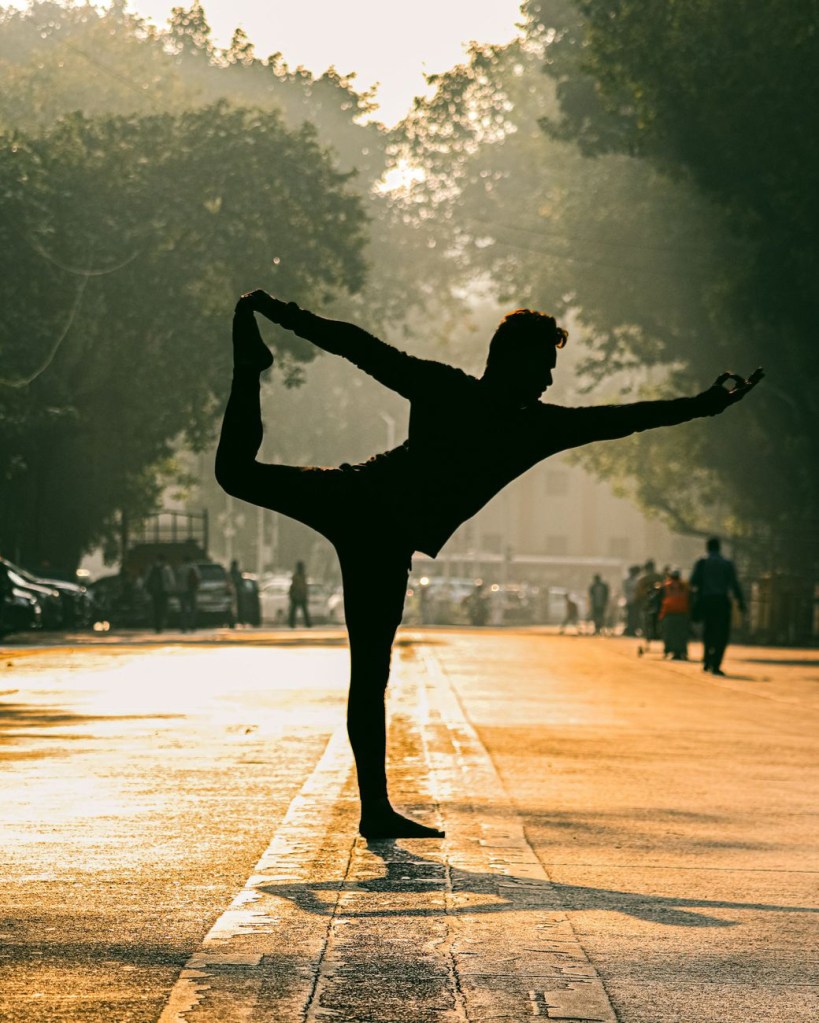
When we truly begin to heal, something starts changing outside of us too.
Things that once threw us completely off center begin losing some of their power.
Situations that once consumed us may still hurt, but they no longer destroy the entire day, week, or month.
Sometimes we suddenly notice:
I used to react differently to this.
That realization can be very quiet.
There may be no celebration.
Nobody else may even notice.
But internally, something profound has happened.
For me, balance is not something I reach once and then keep forever.
Balance is practice.
It is made through the small things I repeatedly do for myself.
When I am in balance, I can feel it almost immediately.
I wake up with more energy.
My mind feels clearer.
I feel more peaceful.
I look at the day with curiosity rather than heaviness.
I want to make my bed.
I want to shower and take care of myself.
I enjoy my food and naturally want to eat in a way that makes me feel good.
I move my body.
I read.
I listen to things that nourish my mind.
I think about my future.
I make plans.
I imagine possibilities.
I ask myself how I can keep growing.
These things may sound small, but I have learned that they are not small at all.
They are how self-love becomes visible.
When I am out of balance, the opposite starts happening.
My relationship with myself changes first.
Then my thoughts change.
Then my feelings change.
And eventually my behavior reflects all of it.
I stop making my bed.
I postpone showering.
I don’t eat well.
I lose energy.
I stop planning.
I stop feeling excited about my own life.
This is why I have come to understand habits differently.
Habits are not simply tasks.
They are often a reflection of the relationship we have with ourselves.
And that relationship needs daily care.
From Understanding to Responsibility
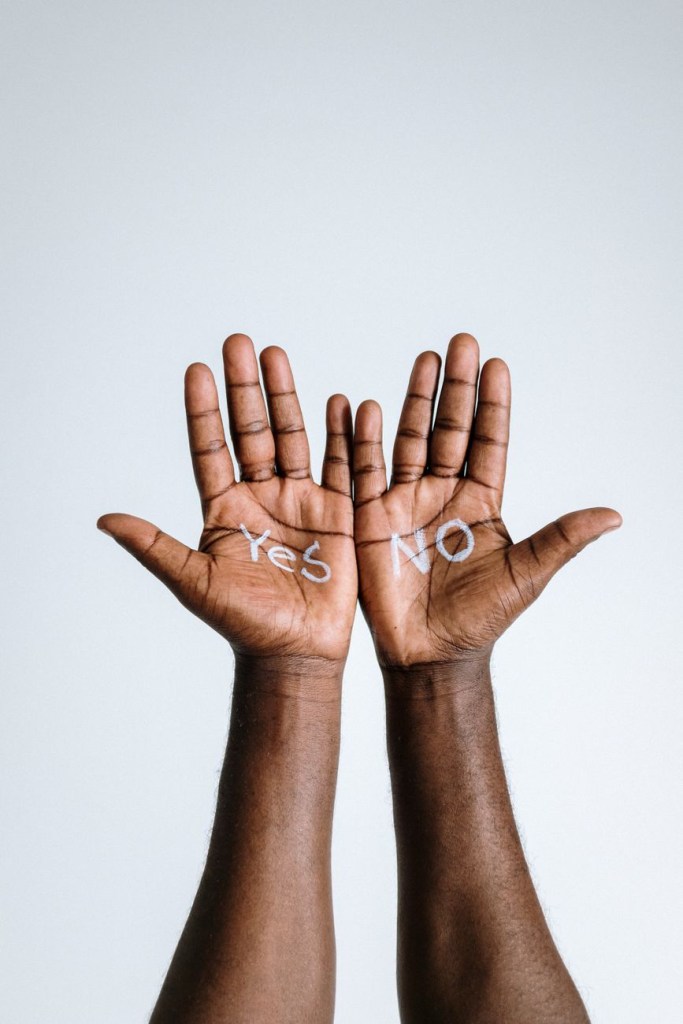
After understanding the root of our pain comes what, for me, is one of the most important parts of healing:
Responsibility.
Not guilt.
Responsibility.
There is an enormous difference.
Guilt says:
Everything is my fault.
Responsibility says:
This may not have been my fault, but what happens next is now in my hands.
Many things happened to us that we never chose.
We did not choose certain childhood experiences.
We did not choose betrayal.
We did not choose abandonment.
We did not choose many of the wounds we carry.
But eventually, if we want our life to change, we have to ask:
What am I going to build from here?
There is a moment in healing when we move from:
This happened to me.
to:
This happened to me — and now I choose what I do with my life.
For me, that is where self-love becomes something more than a beautiful concept.
Self-love becomes action.
It becomes boundaries.
It becomes the people we allow close to us.
It becomes the food we give our body.
It becomes the way we speak to ourselves.
It becomes rest.
It becomes discipline.
It becomes the decision to leave something that hurts us.
It becomes the decision to stay committed to something that helps us grow.
It becomes the life we create little by little.
And perhaps that is what returning to balance really means.
Not creating a life where nothing difficult ever happens.
But becoming someone who knows how to return to themselves when it does.
What Healing Means to Me Today

Today, I understand that healing does not mean waiting for everything to become perfect.
It means learning to meet life as it is.
It means understanding that even difficult experiences can reveal something about us — what still hurts, what still needs attention, what we need to change, and what we are ready to leave behind.
I have also learned that almost nothing people do is as personal as it initially feels.
Everyone is carrying a history we cannot see.
Everyone is responding from their own wounds, fears, consciousness, understanding, and capacity at that moment.
That does not excuse harmful behavior.
But it can free us from carrying it forever.
For me, healing has also meant reconnecting with the spiritual world.
Not as a way of escaping human life, but as a way of entering it more fully.
It has meant remembering that I am more than what happened to me.
More than my mistakes.
More than my wounds.
More than the stories I once believed about myself.
And perhaps healing is ultimately not about becoming a completely different person but it is about removing, little by little, everything that made us forget who we were underneath it all.
Suffering begins when we lose ourselves inside the story.
Healing begins when we decide it is time to find ourselves again.
Love and gratitude
Naysha Silva




Leave a Reply